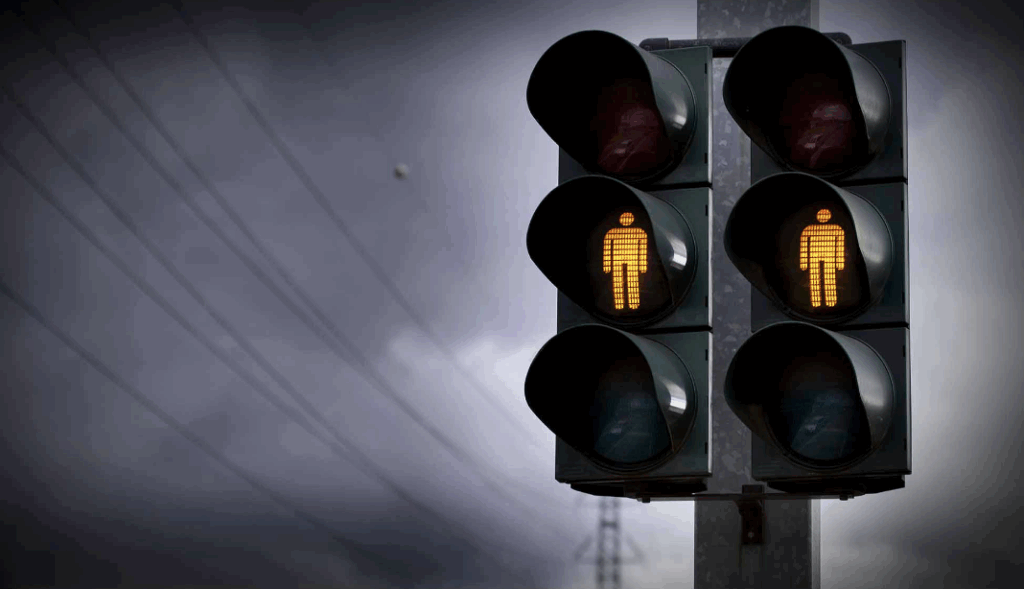
The Key Role of Traffic Lights in Public Transport – Framed Through Matteo Cervone’s Art
Last June, we were invited to participate in an event in Rome, Italy, organized by a collective of artists on the fascinating theme of art and urban mobility. The aim was to establish a national archive of reflections, practices, and artistic productions on the interaction between art and urban mobility, particularly on mobile infrastructures such as stations, terminals, underpasses, cycle paths, abandoned trams, and other transit spaces.
Eurocities Francesco Iacorossi shared the UPPER experience and highlighted the immense potential of integrating public transport with art. A clear takeaway from the discussion was that public transport users deserve first-class treatment, and incorporating artistic elements can play a pivotal role in enhancing their experience. The event saw the participation of Roma Capitale's Deputy Mayor for Mobility Eugenio Patanè, one of our most passionate supporters of this beloved project.

@photo credit TWM Factory
After attending an enlightening event, we decided to emphasize the crucial role of traffic lights in public transport, creatively highlighting this through the work of Italian pop artist Matteo Cervone.
When we think of traffic lights, we often see them as mere tools for ensuring cars, bikes, and pedestrians move safely through intersections. However, for public transport, traffic lights have an even more significant impact. They can mean the difference between a bus stuck in traffic and one that maintains its schedule.
Smart traffic lights can "give priority" to buses, trams, or trolleys by turning green slightly earlier or staying green a bit longer as a vehicle approaches. This might seem like a minor adjustment, but when applied throughout a route, it can reduce delays, enhance reliability, and make public transport more appealing to passengers.
Well-designed traffic light systems also contribute to safety. They ensure trams cross intersections smoothly, protect passengers as they board or leave buses at busy stops, and balance the needs of all road users in real-time.
Traffic lights are not only relevant for cars; they are one of the essential tools that help keep public transport moving efficiently, sustainably, and safely.
But in Matteo Cervone’s Semafori. Linguaggio Universale exhibition, those same lights are transformed into poetic storytellers—silent witnesses to the emotional pulse of urban life.
-
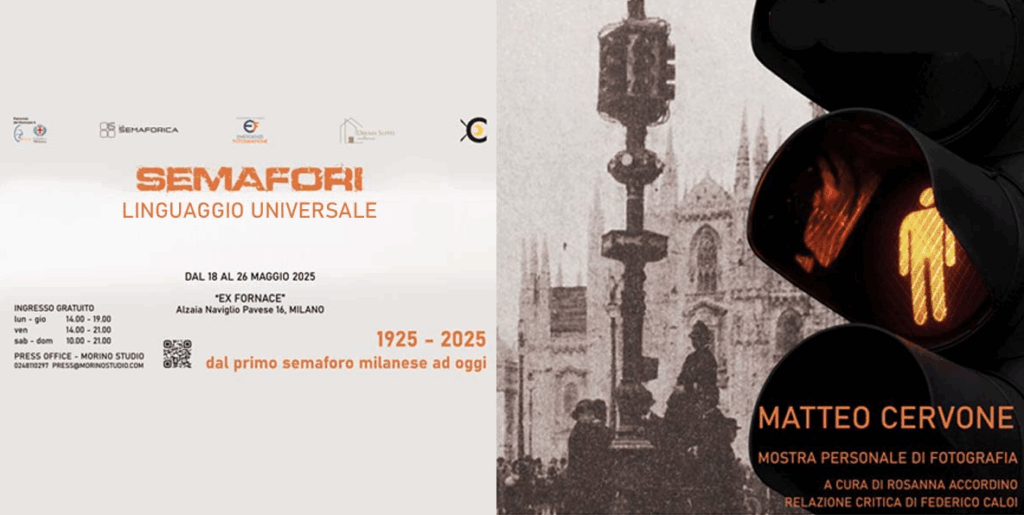
- @photo credit Cervone ‘Original flyer’
-
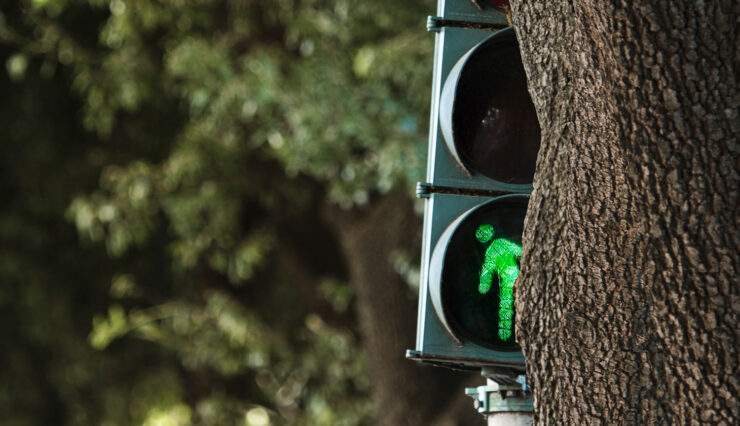
- @photo credit Cervone ‘Settete’
-

- @photo credit Cervone ‘kick and run’

@photo credit Cervone 'Selfie time'

@photo credit Cervone “The Little Red Man is Me”
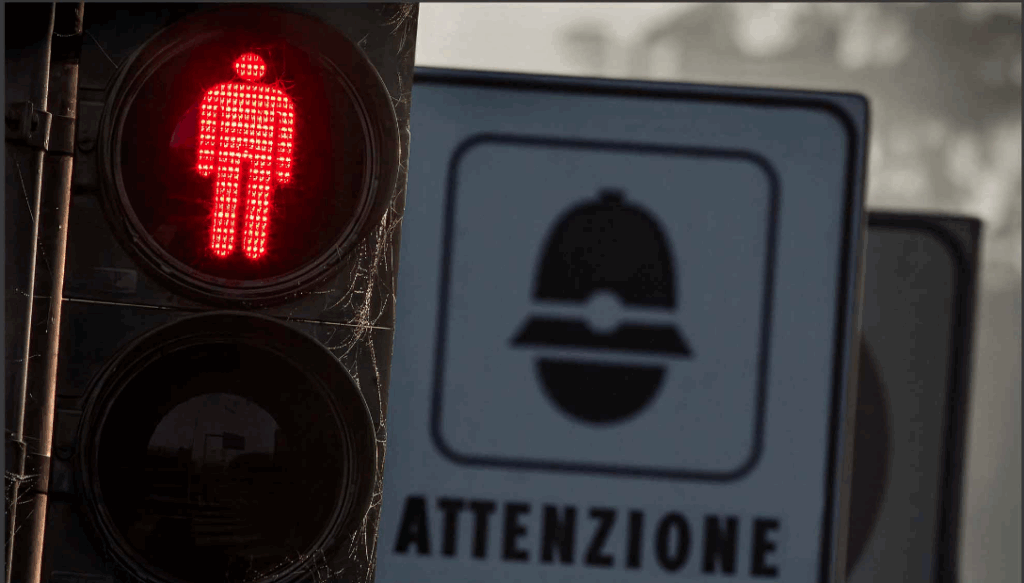
@photo credit Cervone 'Guilty'